Exposing the Indian SideWinder Hacker Group: Targeting Users with Fake Outlook/Zimbra
Blocking Critical IP and Domain IOCs In the world of cyber threats, attribution is key to understanding and mitigating attacks.

In the world of cyber threats, attribution is key to understanding and mitigating attacks. The Indian SideWinder Hacker Group, a highly sophisticated threat actor, has been targeting users with fake Outlook/Zimbra instances to gain unauthorized access to sensitive information. This type of social engineering attack is just one aspect of their multi-layered, stealthy approach to infiltrating networks.
Through infrastructure mapping techniques, security experts have identified key indicators of compromise (IOCs) associated with this group, allowing organizations to proactively defend against future attacks.
This blog post focuses on exposing the critical IP addresses and domains linked to the SideWinder group and providing you with an IOC table to block these malicious resources. By using this mapping, businesses can better protect their users and infrastructure from these dangerous threat actors.
Understanding the Threat:
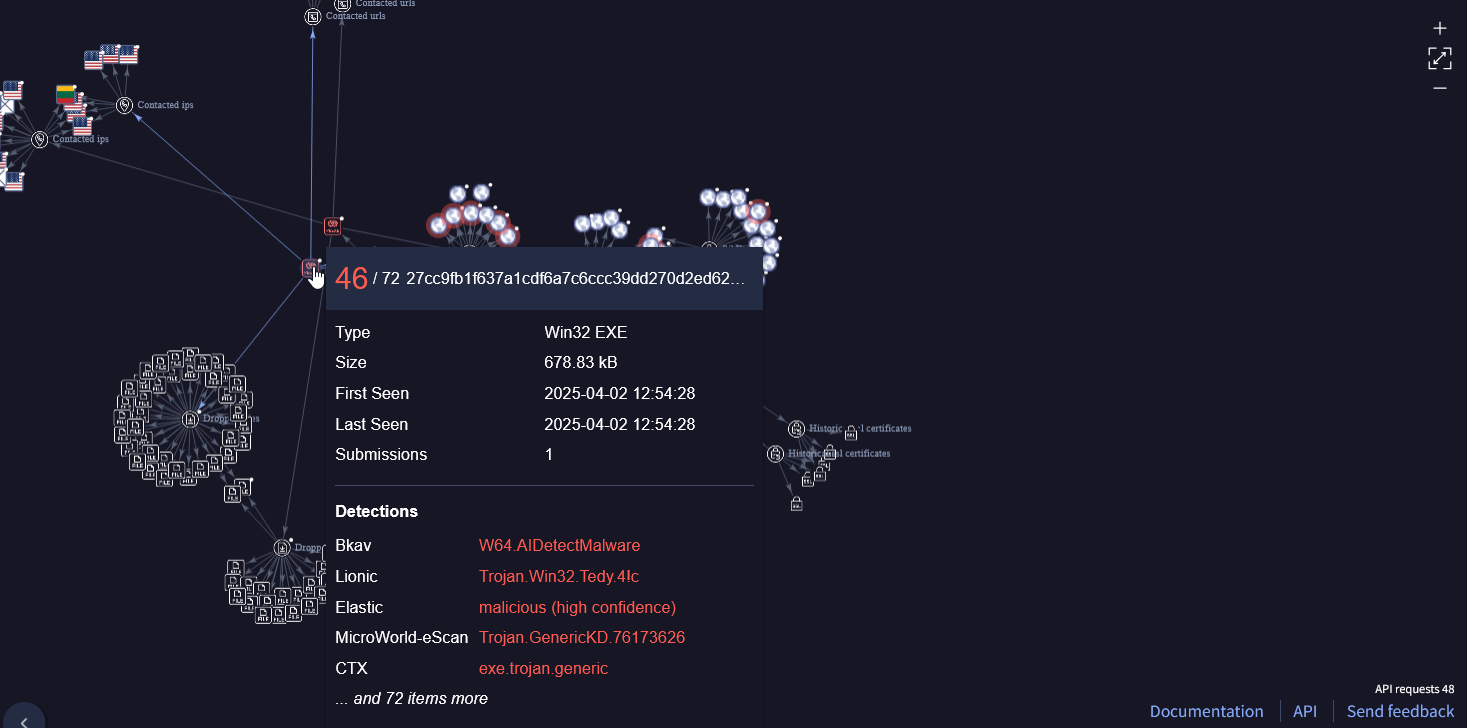
The Indian SideWinder Hacker Group has been active for several years, with a history of targeting government institutions and private organizations across the globe. They are known to deploy fake email systems, including Outlook and Zimbra, to trick users into entering their login credentials, which are then harvested for further malicious use.
To make these attacks even more credible, the group uses spoofed IP addresses and domain names to hide their true identity. This makes it difficult for traditional security measures to identify and block them effectively.
By understanding the infrastructure used by these attackers, you can strengthen your security posture and block the domains and IP addresses they rely on.
Critical IOCs Linked to SideWinder Hacker Group:
The table below lists key IOCs that have been identified in connection with the SideWinder group’s infrastructure. These indicators can be used to help organizations proactively block malicious traffic and prevent unauthorized access to their systems.
| Indicator Type | IOC (Indicator of Compromise) | Description |
|---|---|---|
| IP Address | 46.183.184.245 | Associated with SideWinder operations, used in phishing and social engineering attacks. |
| Domain | govmm[.]org | Linked to the fake Outlook/Zimbra instances deployed by SideWinder. |
| Domain | govnp[.]org | Another malicious domain used by the group for similar attack vectors. |
| Domain | andc[.]govaf[.]org | Frequently used in targeted spear-phishing campaigns against government sectors. |
| Hostname | fmaildd.000webhostapp.com | Linked to phishing websites mimicking email login pages. |
| Hostname | mtatdd.000webhostapp.com | Another malicious site used for fake email services, often used in phishing campaigns. |
| Hostname | nmailddt.000webhostapp.com | Utilized for fake email login pages, a common tactic by SideWinder. |
How You Can Protect Your Organization:
1. Implement Network Monitoring:
By integrating threat intelligence feeds and monitoring for these IOCs, you can detect malicious activity in real time. Look for traffic from these IP addresses or attempts to connect to these domains, which can be early warning signs of an attack.
2. Block Malicious IPs and Domains:
Use firewalls, web proxies, or DNS filtering tools to block these specific IP addresses and domains associated with the SideWinder group. This is a critical step in preventing unauthorized access and phishing attacks.
3. Educate Employees on Phishing Risks:
Train users to recognize phishing attempts, particularly those involving fake login pages for Outlook or Zimbra. Make sure your employees understand how to spot fake emails and avoid clicking on suspicious links.
4. Use Multi-Factor Authentication (MFA):
Even if an attacker manages to compromise a login credential, MFA can act as an additional layer of protection. This prevents attackers from accessing sensitive systems even with valid credentials.
5. Conduct Regular Security Audits:
Continuously assess your organization’s security posture through audits and penetration testing to identify potential vulnerabilities that could be exploited by groups like SideWinder.
Conclusion:
By mapping out the infrastructure used by the Indian SideWinder Hacker Group, we can better understand their tactics and proactively defend against their attacks. The IOCs listed in the table are just a starting point by blocking these malicious indicators and implementing a comprehensive security strategy, you can significantly reduce the risk of falling victim to this advanced threat actor.
Stay ahead of cybercriminals. Protect your systems, your data, and your employees by taking proactive steps today. For more information on how we can assist you in securing your network and preventing future attacks, contact us now.
Your Business, Our Priority. Protecting Against the Evolving Cyber Threats.