From Rootkits to Ransomware: Decoding SideWinder’s Newest Indian Campaign
Tax season is stressful enough without an Advanced Persistent Threat (APT) group living in your network.

SideWinder APT’s Multi-Vector Assault on Indian Taxpayers
Tax season is stressful enough without an Advanced Persistent Threat (APT) group living in your network.
Our latest intelligence has uncovered a massive expansion in the operations of SideWinder (also known as APT-C-17). Their newest play? A highly targeted campaign impersonating India’s Income Tax Department. This isn’t your run-of-the-mill phishing scam; it is a sophisticated offensive designed to bypass traditional defenses by hiding in plain sight.
1. The Multi-Vector Trap: Beyond the Windows Desktop
What makes this campaign particularly dangerous is its breadth. SideWinder isn’t just looking for a quick credit card number; they are seeking total persistence. Through our analysis of their current infrastructure, we’ve identified a sprawling web of malicious assets.
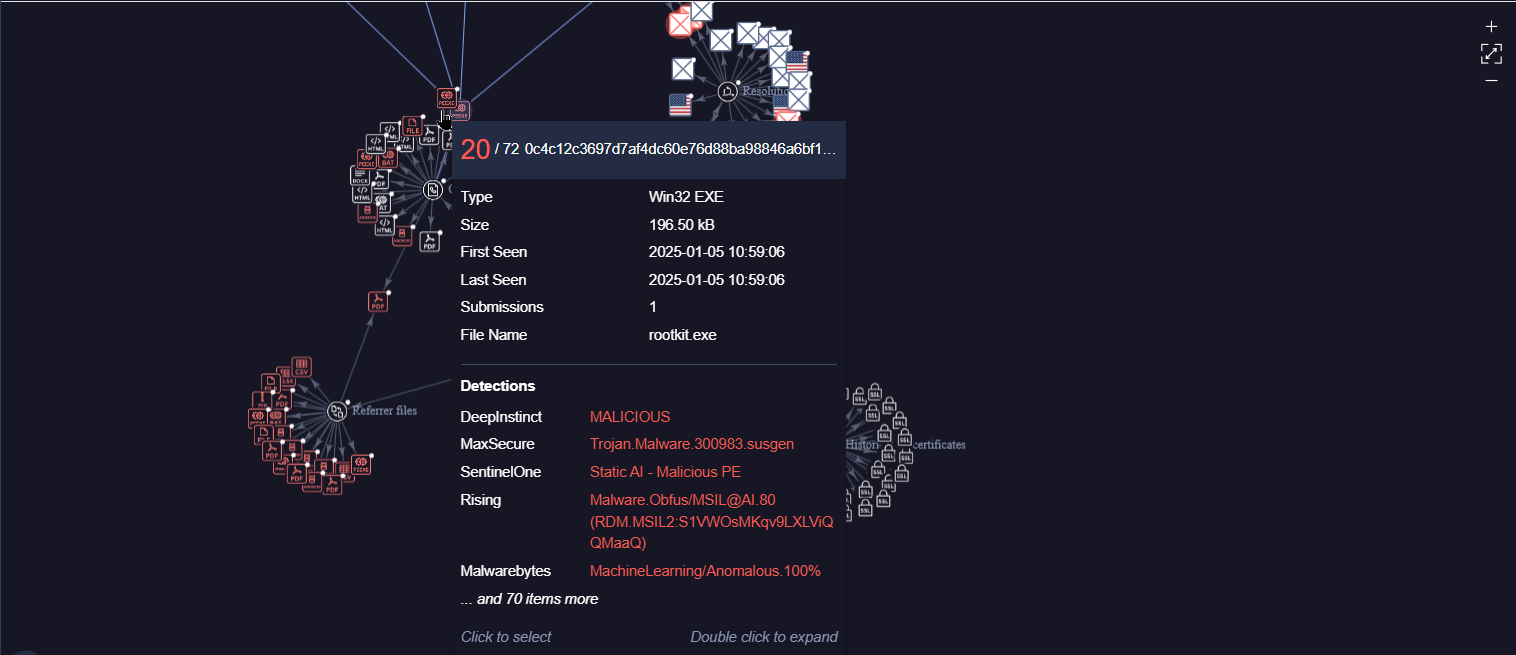 Caption: Analysis showing the rootkit.exe payload linked to initial access vectors.
The Desktop Payload: We’ve detected the deployment of the Tedy Rootkit via malicious links (often involving the
surl.lishortener). Once a rootkit likerootkit.exeis on a Windows machine, it can hide files and processes from the operating system itself, making it nearly invisible to basic security tools.
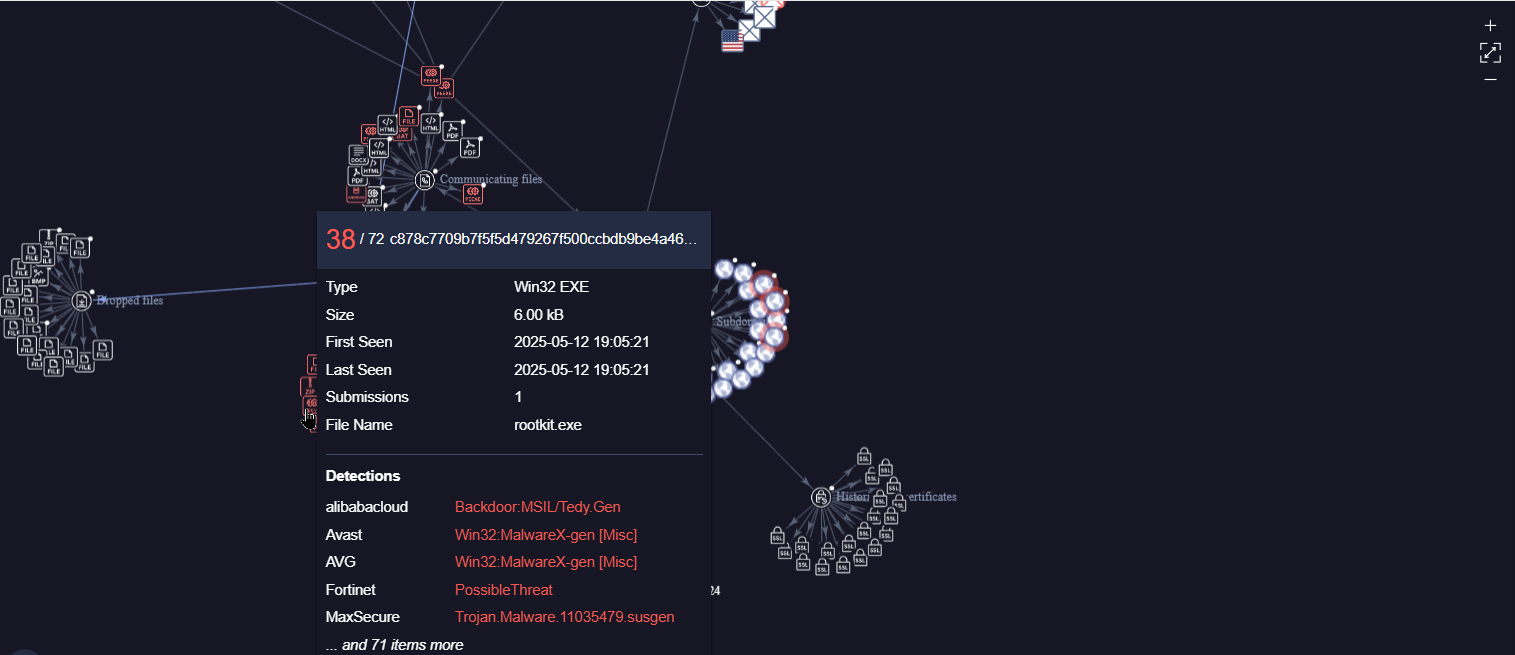
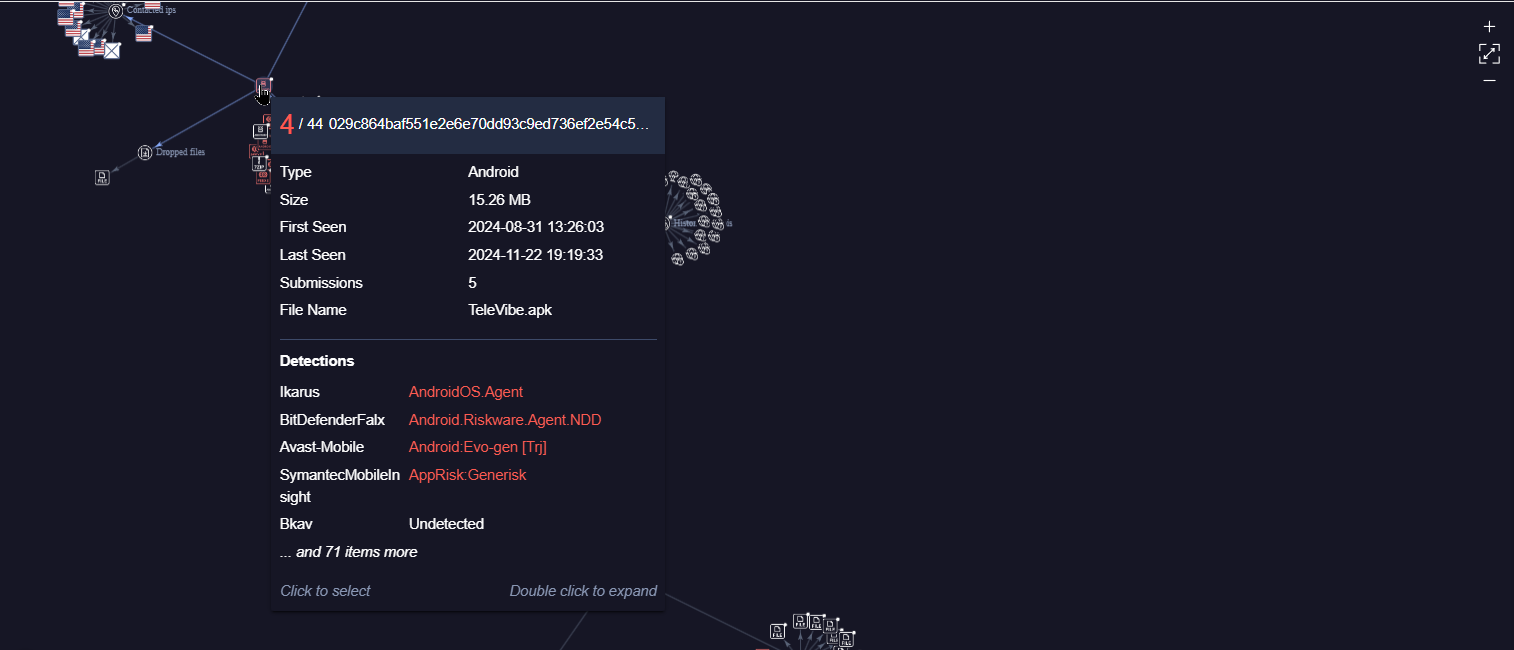
The Mobile Angle: They aren’t ignoring the mobile workforce. We identified a malicious Android package,
TeleVibe.apk, which acts as a beachhead for data exfiltration directly from mobile devices.
Caption: Mapping the connection between mobile APKs and malicious command-and-control infrastructure.
2. Hiding in the “Normal” Traffic
One of SideWinder’s most clever tactics is the use of “Living off the Land” techniques. They are leveraging legitimate time-synchronization APIs to mask their communications.
API Exploitation: By beaconing out to services like
worldtimeapi.organdtimeapi.io, the malware blends in with standard system traffic.
The “Time” Trick: To a basic firewall, it looks like a computer just checking the time. To our analysts, it’s a clear signal of a compromised host synchronizing its attack window.
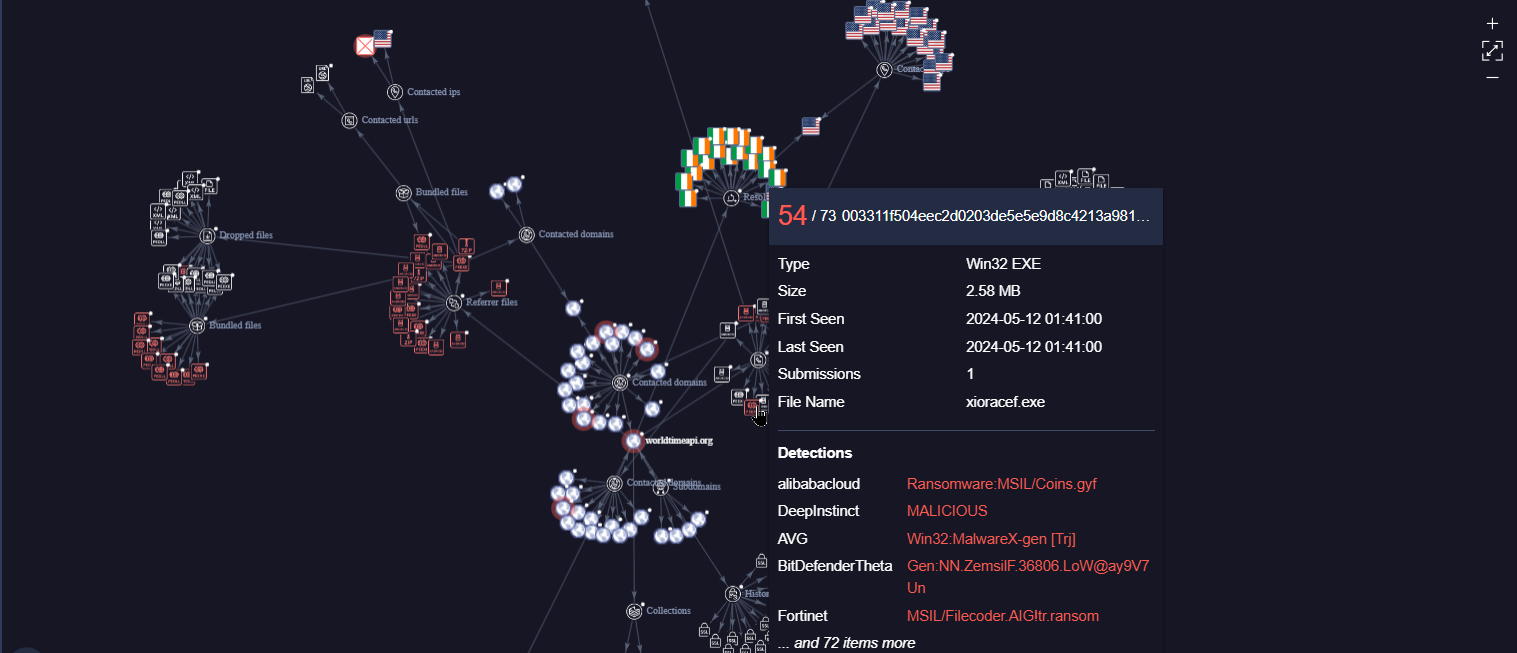
Caption: Technical visualization of how malware leverages legitimate APIs to bypass detection.
3. The IoT Pivot and Ransomware Links
In a surprising twist, we’ve tracked connections to Mirai-linked infrastructure. This suggests SideWinder may be co-opting IoT devices to build a secondary layer of proxy infrastructure to further mask their origin. Furthermore, some payloads have been flagged by engines as having ransomware or file-coding characteristics, indicating the end goal may be more destructive than simple espionage.
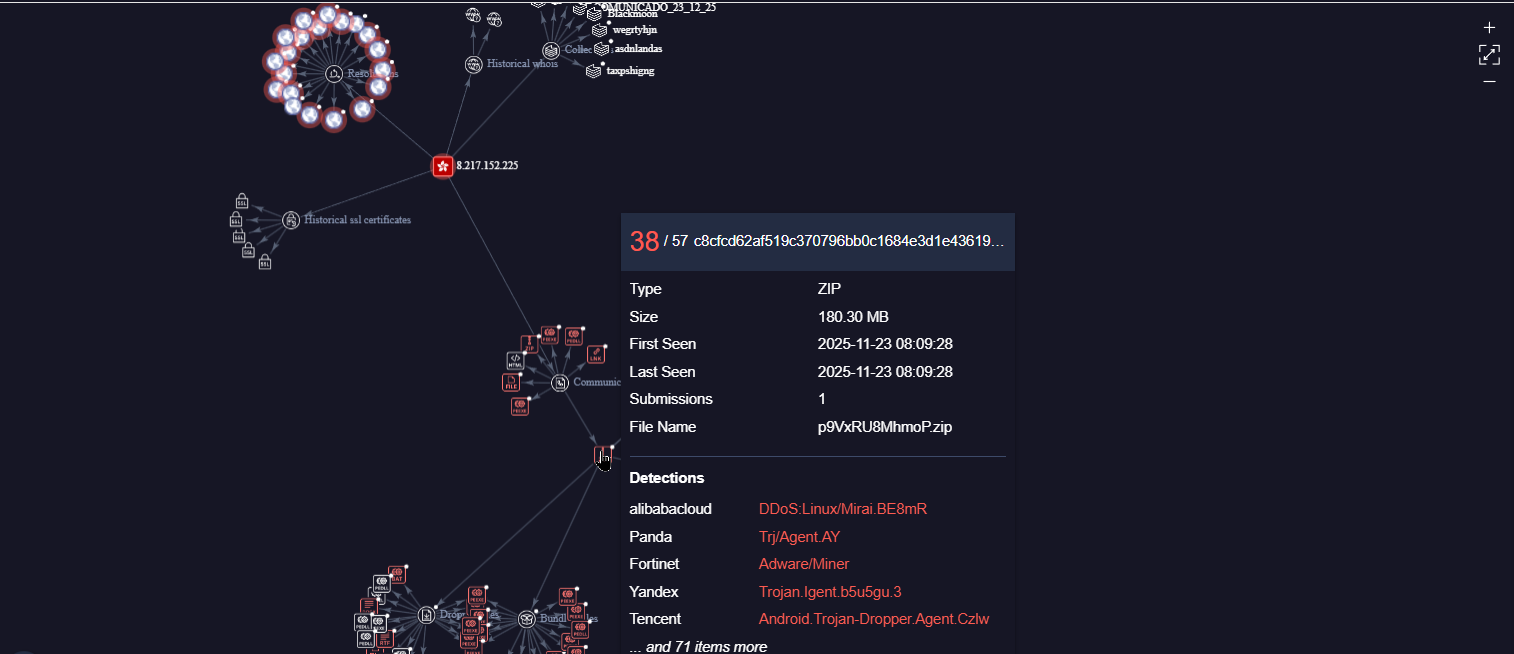
Caption: Evidence of Mirai-based botnet components integrated into the SideWinder campaign.
4. Why Your Perimeter is Failing
If you are relying on signature-based detection, you are already behind. Our tracking of the gfmqvip.vip domain a core piece of their current infrastructure showed that even while it was actively serving malware, many standard security engines were slow to flag it, with only 12 out of 93 engines identifying it initially
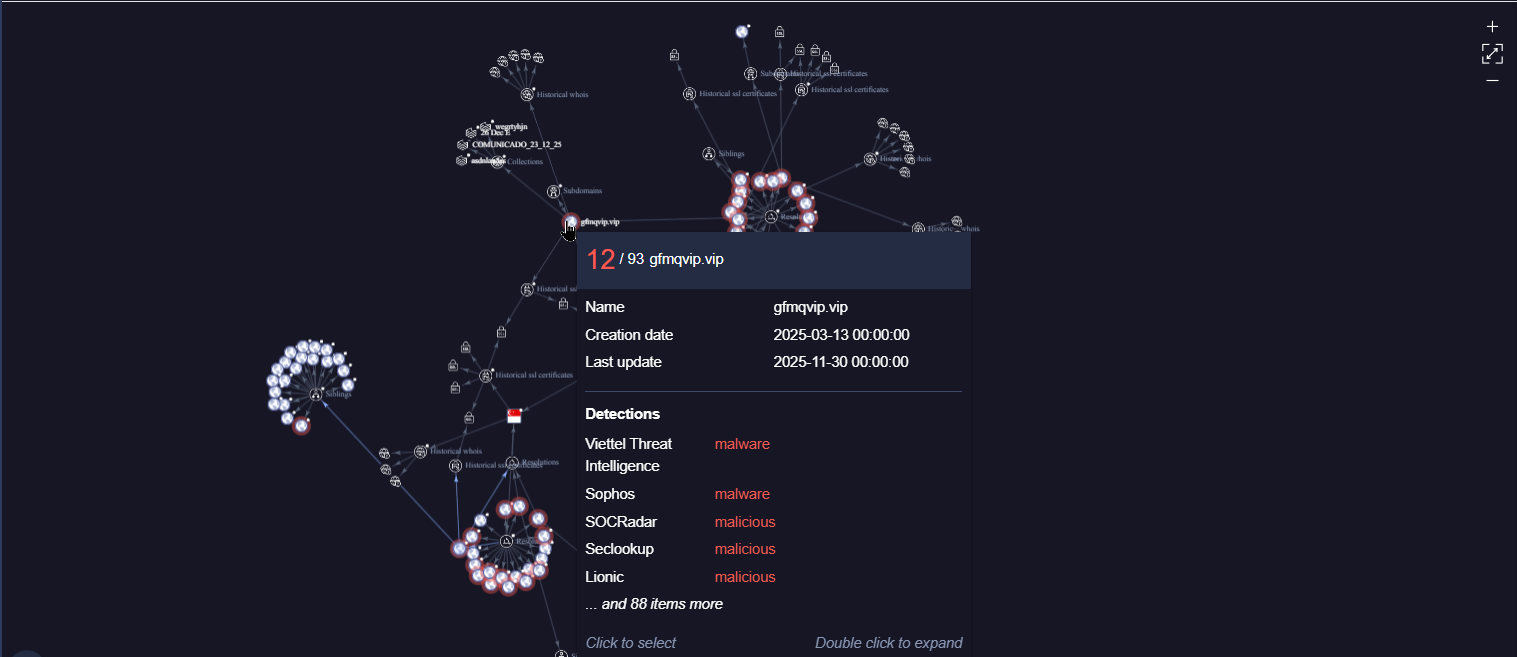
Caption: The “Lag Time” in detection how malicious domains stay active while security engines catch up.
The Alpha Cyber Advantage
At Alpha Cyber, we don’t wait for a vendor to release a patch. We map the adversary’s footprint before they even send the first email. We see the connections between a “Tax Department” PDF and a backend rootkit server in real-time.
Our services go beyond simple alerts; we provide the visibility required to stop an APT from turning a single click into a total breach.
Is your organization a target? The “Taxman” is already knocking on doors. Don’t wait until the audit results in a data breach.