
Mapping “Indian Cyber Force” Infrastructure Using Social Media & OSINT
As geopolitical tensions increasingly manifest online, the Indian Cyber Force (ICF), a politically motivated hacktivist group has emerged as a visible threat through waves of DDoS attacks, website defacements, and alleged data leaks.
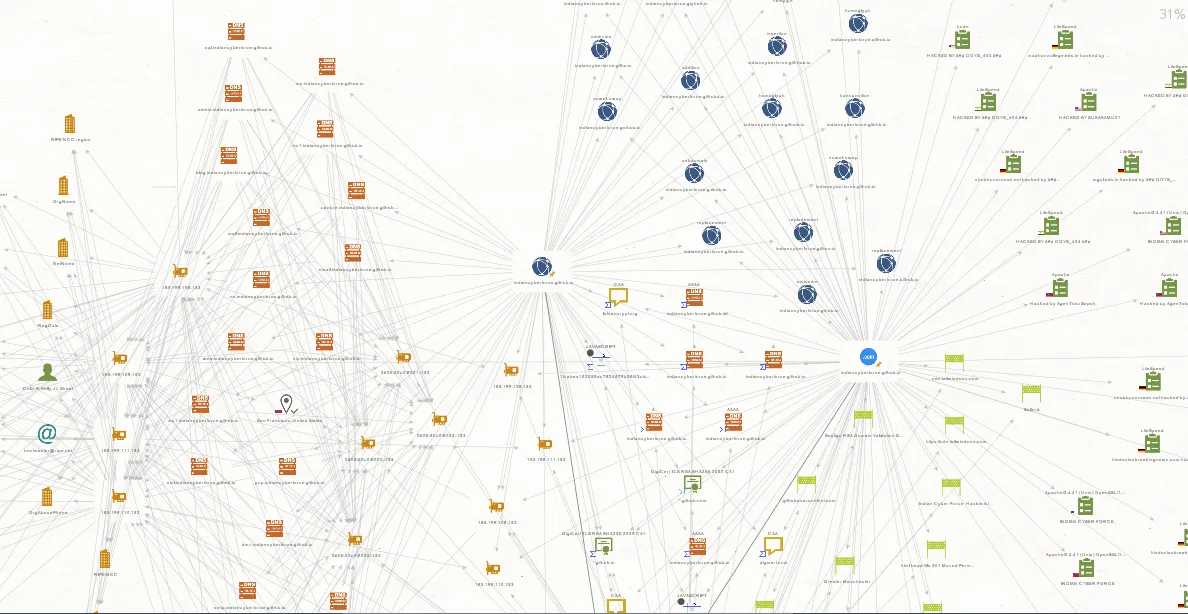
As geopolitical tensions increasingly manifest online, the Indian Cyber Force (ICF), a politically motivated hacktivist group has emerged as a visible threat through waves of DDoS attacks, website defacements, and alleged data leaks. These campaigns are often announced via Telegram channels, X (formerly Twitter), and paste sites, offering a digital trail that can be traced, analyzed, and blocked.
At Alpha Cyber, we use advanced infrastructure mapping techniques to track threat actors by following their digital footprints, particularly those exposed across social platforms and open-source intelligence (OSINT).
Social Media as a Threat Intelligence Weapon
ICF and similar groups increasingly use social media as a battleground posting links, leaking files, and announcing targets in real time. Through cross-platform analysis, we correlate:
Spoofed domains shared on messaging channels
C2 infrastructure hints dropped in threat actor chatter
Patterns of attack timing linked to national events or geopolitical escalations
By transforming this intelligence into a live infrastructure map, we give defenders the visibility they need to act before damage is done.
Why It Matters
Understanding your adversary’s infrastructure isn’t just useful it’s essential. With our infrastructure mapping services, your organization can:
Spot phishing campaigns before users click
Preempt defacements and DDoS attacks
Reduce exposure across the digital supply chain
Stay Ahead of Hacktivist-Driven Threats
Groups like Indian Cyber Force are only growing more active, and more organized. Whether you operate in government, finance, education, or telecom, your infrastructure could be their next target.
Let us help you visualize your threat exposure and shut down attack paths, before they’re exploited.
Request a demo or risk report today.