
MetadataBin Ransomware What it is, how it spreads, and how we can stop it
In the world of cyber threats, ransomware continues to be one of the most destructive forces, and Metadatabin is no exception.
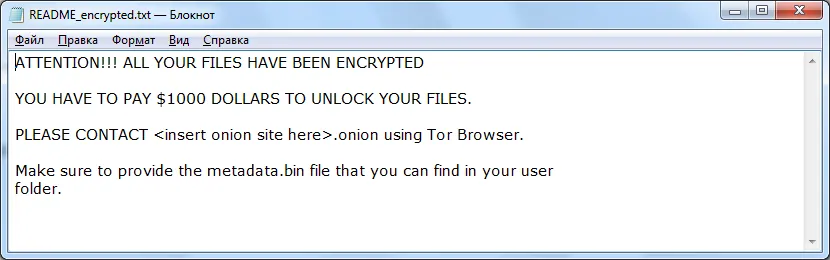
Unveiling Metadatabin Ransomware: A Critical Infrastructure Mapping Guide for Cyber Defenders
In the world of cyber threats, ransomware continues to be one of the most destructive forces, and Metadatabin is no exception. Understanding the key components of this threat is vital for any organization looking to bolster its security posture. In this post, we’ll map out Metadatabin’s infrastructure, providing key Indicators of Compromise (IOCs) and critical analysis on how to detect, block, and mitigate its attacks.
Understanding Metadatabin Ransomware
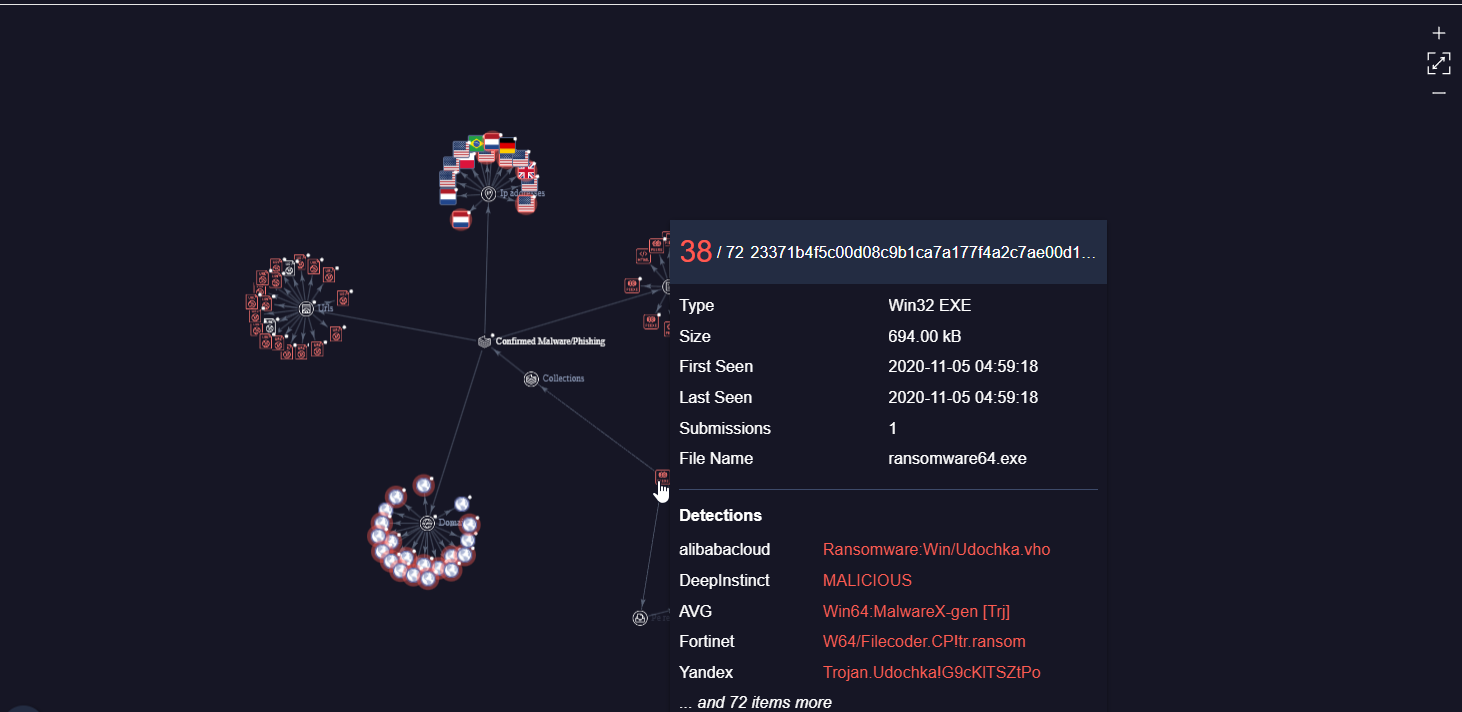
Metadatabin Ransomware is a highly sophisticated and elusive threat that encrypts victim data while demanding payment for the decryption key. However, its technical complexity makes it stand out from other ransomware families. To gain insight into this malware, we’ll analyze key attributes, including its file structure, detection methods, and infrastructure traces.
Key Findings: Metadatabin Ransomware Breakdown
1. Malware Filename: ransomware64.exe
The file named ransomware64.exe serves as the payload for Metadatabin. Its filename doesn’t immediately raise suspicion, making it hard to detect through basic file-naming techniques.
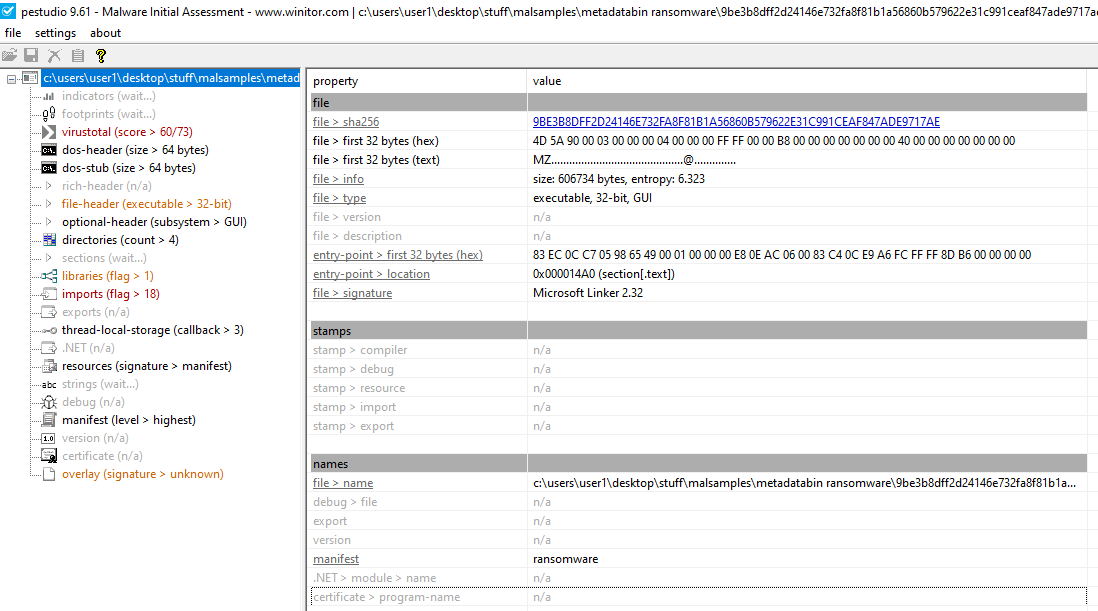
2. Malware Hash: 9BE3B8DFF2D24146E732FA8F81B1A56860B579622E31C991CEAF847ADE9717AE
The unique hash value is essential for identifying this specific strain of ransomware. Using this hash to scan systems can help quickly detect the presence of the malware.
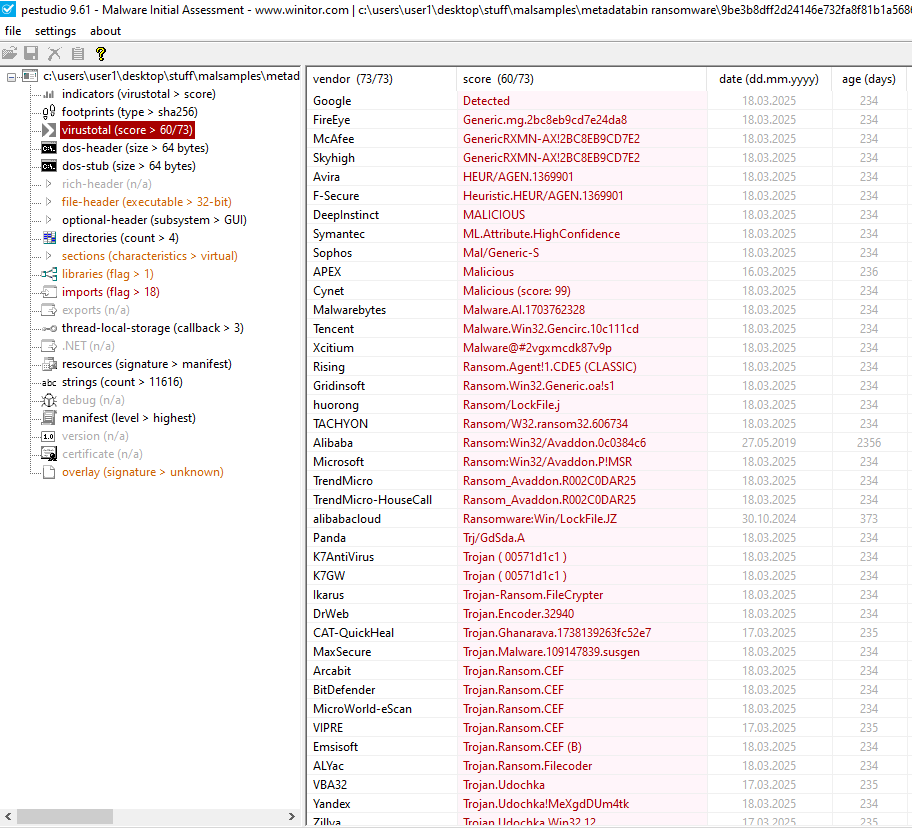
3. VirusTotal Score: 60/73 (Malicious Detection)
With a high malicious detection rate, Metadatabin is flagged by numerous security engines, making it somewhat detectable. However, many environments are still vulnerable if detection signatures aren’t up-to-date.
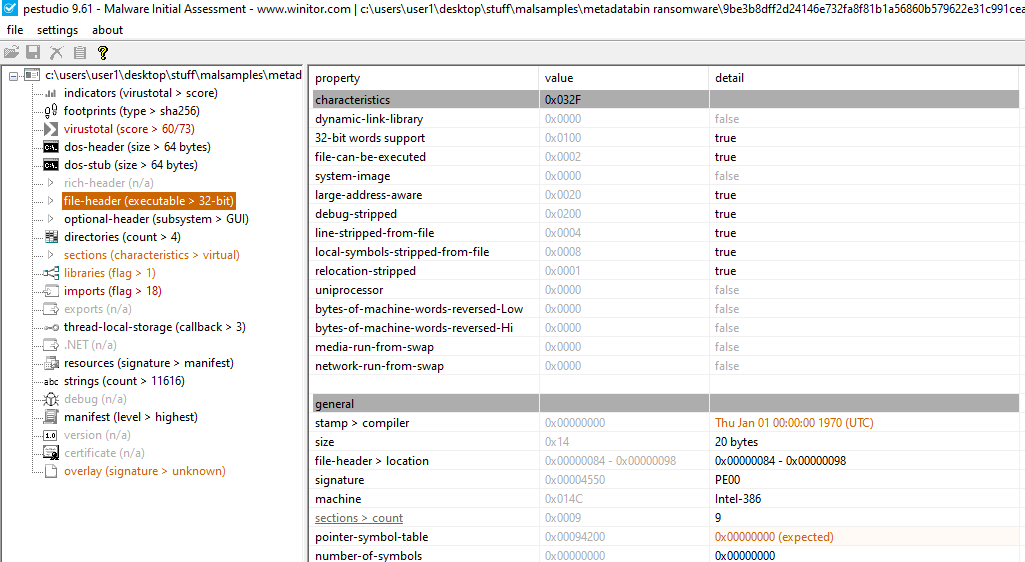
4. File-Header: Compiler Timestamp (Thu Jan 01 00:00:00 1970)
The timestamp associated with the file header points to a potential indicator of manipulation or an anomaly in the malware’s build process. The unrealistic date raises flags when performing forensic analysis.
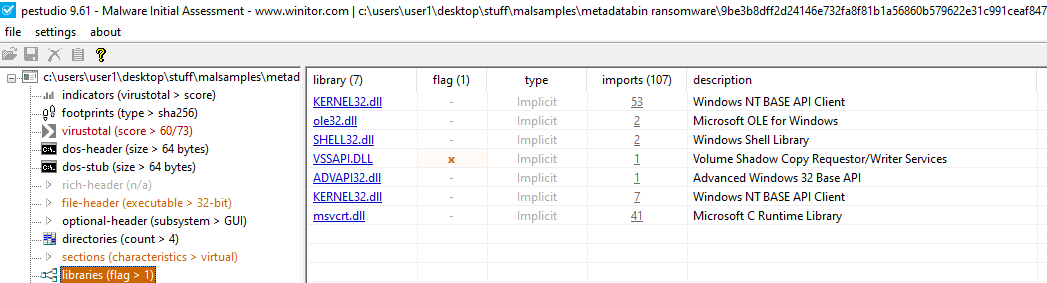
5. Libraries Involved: VSSAPI.DLL (Volume Shadow Copy Requestor/Writer Services)
This indicates that the ransomware may attempt to delete or alter volume shadow copies. This is an attempt to evade recovery options, thus preventing victims from restoring encrypted files.
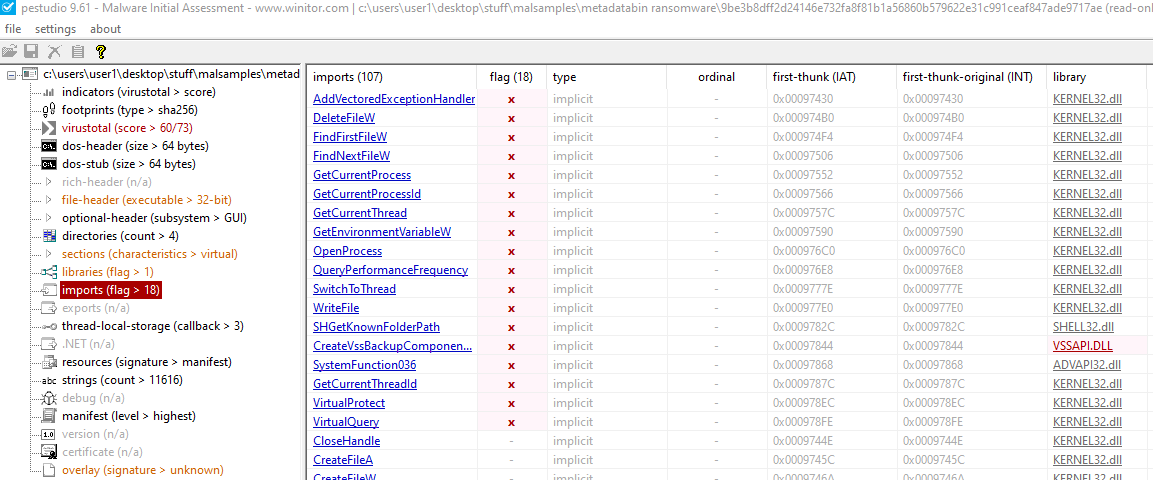
6. Total Malicious Imports: 18
The ransomware uses 18 distinct imports, including functions like DeleteFileW, OpenProcess, and WriteFile. These imports enable the malware to delete files, access running processes, and write encrypted data, demonstrating its functional complexity.
7. Malicious Imports Example:
GetCurrentThreadId
Retrieves the current thread ID, potentially for synchronizing actions within the malware.
DeleteFileW
Deletes files, likely after encryption or to cover tracks.
GetCurrentProcess
Gathers information on the current process, helping the malware control execution flow.
OpenProcess
Allows interaction with processes, a typical tactic for terminating security software or monitoring tools.
WriteFile
A key function in writing encrypted files, effectively locking out the victim from accessing their data.
CreateVssBackupComponentsInternal
Critical for preventing data recovery via Volume Shadow Copy services by manipulating backup mechanisms.
8. Signature: Unknown
The lack of a clear signature suggests Metadatabin has been designed to avoid detection by traditional signature-based security tools, relying instead on heuristics and behavior-based detection.
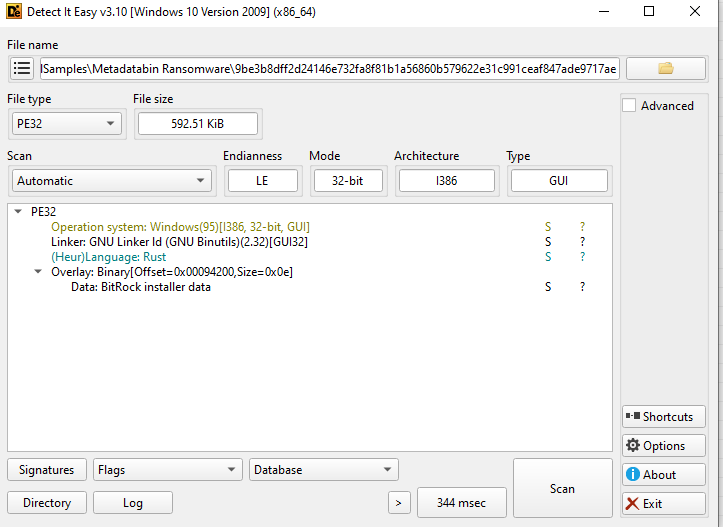
9. Heuristics: Language – Rust
The malware is written in Rust, a language known for producing fast and secure binaries. This choice suggests the creators wanted to ensure the ransomware runs efficiently and quietly on target systems.
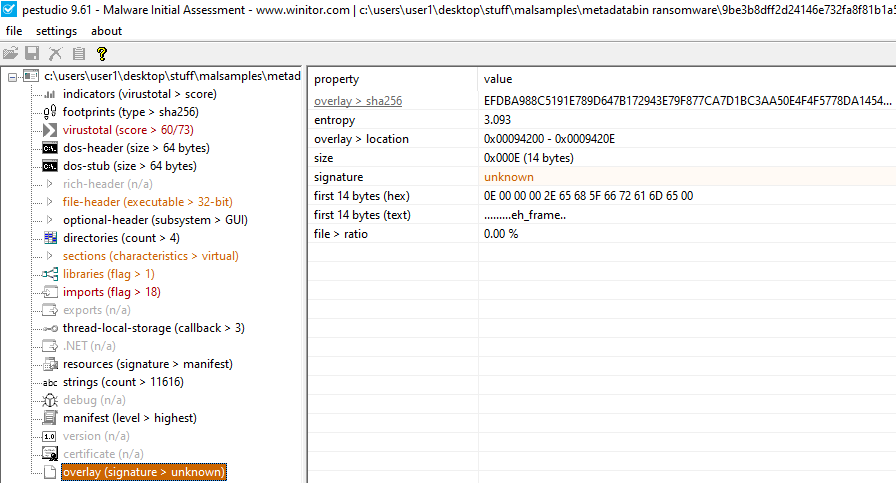
10. Overlay: Binary[Offset=0x00094200, Size=0x0e]
The presence of a binary overlay indicates that the malware is using a custom packing or obfuscation technique. This helps evade detection by many antivirus programs.
11. Data: BitRock Installer Data
The ransomware seems to leverage BitRock installer data, a popular installer framework. This could potentially serve as a decoy or delivery mechanism to disguise the true nature of the payload.
Indicators of Compromise (IOCs) to Block
In order to mitigate the threat and raise awareness of Metadatabin Ransomware, blocking the following IOCs is crucial for a proactive defense. These include specific file hashes, URL patterns, and network behavior associated with the malware’s operation
| IOC Type | Value |
|---|---|
| CRC32 | AF8DF36B |
| MD5 | 3f723156aaa822a07c2d766458a88eac |
| SHA-1 | 6c00b323e8b97b0a5e613a2aa692000309fffee7 |
| SHA-256 | 23371b4f5c00d08c9b1ca7a177f4a2c7ae00d1713ef9619f37b6c8cfce224892 |
| SHA-512 | 3a0e2a4624a7728de2fabc66… |
| SSDEEP | 12288:w3k7y2b2vCH7u4ZJcY6cXY1R9vsx14fBSsIWo9mCc/:w3uy2818mv814fBnboX |
| URL Format | hxxx://t2tqvp4pctccc07vgz5yd5kino5njz3wbx3wxirchpl3dq3d.onion (replace hxxx with http) |
What Makes Metadatabin Ransomware Dangerous?
Metadatabin is a dangerous and sophisticated strain of ransomware due to its blend of complex file manipulation techniques, the use of obscure file headers, and its reliance on advanced programming languages like Rust. It targets a variety of file systems, uses volume shadow copy deletion to hinder recovery efforts, and employs custom installer data for stealth. Detection through traditional methods is challenging, but with the right analysis tools and updated IOC blocks, organizations can improve their defenses and respond quicker to an attack.
Investigating Metadatabin with PeStudio
When investigating the Metadatabin ransomware using PeStudio, several key findings stand out:
Heuristic Analysis: The malware’s use of Rust makes it relatively unique, and heuristic analysis through tools like PeStudio shows that Metadatabin often avoids signature-based detection.
Imports and System Calls: PeStudio’s import analysis flags functions such as DeleteFileW, WriteFile, and OpenProcess, highlighting the malicious behavior embedded within the binary.
Binary Overlays: The presence of a binary overlay at specific offsets further indicates that the malware is trying to mask its true intentions and avoid detection.
Mitigating the Threat
Blocking the listed IOCs is essential to defending against Metadatabin ransomware. But it’s also vital to employ a multi-layered security approach:
Backup and Recovery Plans: Ensure robust backup systems are in place to restore data if it becomes encrypted.
Behavioral Detection Tools: Use behavioral-based detection systems to identify unusual system activity indicative of ransomware.
Security Awareness Training: Educate employees on how to recognize phishing attempts and other social engineering tactics commonly used to spread ransomware.
Conclusion
Metadatabin Ransomware is a potent and evasive threat, but understanding its structure and behavior is the first step in counteracting it. By mapping out its infrastructure, identifying key IOCs, and leveraging advanced detection tools, organizations can significantly reduce the risk of a successful attack. The fight against ransomware is ongoing, but with the right tools and knowledge, cybersecurity teams can stay one step ahead.
Stay vigilant, stay protected. For more information on Metadatabin and other threats, reach out to our experts.