
Meta AI Oakley Glasses Privacy Fiasco
For years, cybersecurity professionals warned that the biggest privacy threats wouldn’t look like threats at all. They would look like convenience. Smart speakers. Smart cameras.
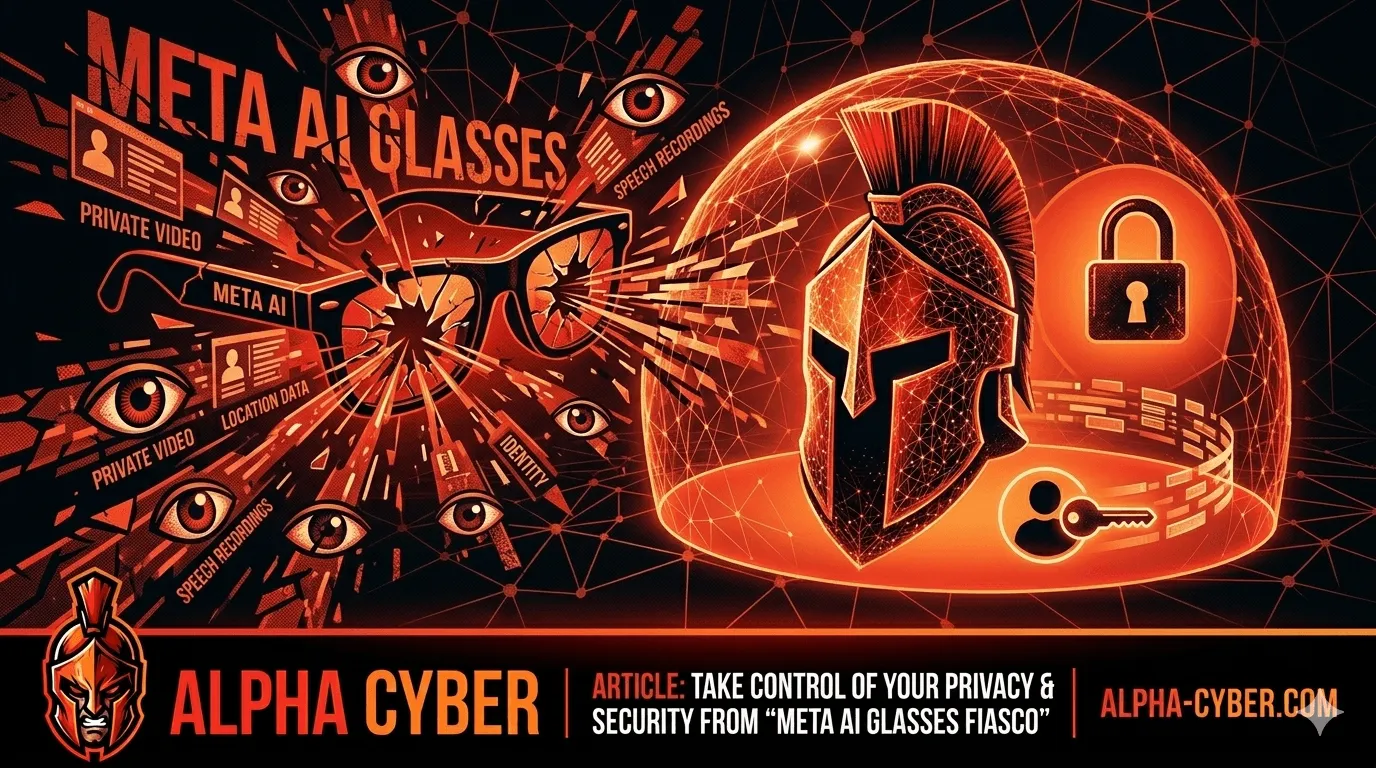
Your Glasses Are Watching: The Meta AI Privacy Problem Nobody Is Talking About
For years, cybersecurity professionals warned that the biggest privacy threats wouldn’t look like threats at all.
They would look like convenience.
Smart speakers. Smart cameras. Smart doorbells.
Now we can add AI-powered smart glasses to that list.
Meta’s new generation of AI-enabled glasses promises hands-free photos, voice commands, and real-time AI assistance. On paper, they’re just another wearable gadget.
In reality, they represent something far bigger: a new layer of everyday surveillance that most people aren’t prepared for.
What Makes AI Glasses Different From Normal Devices?
Most people understand that their phone or laptop collects data.
But AI glasses blur the line between technology and human interaction.
They can:
• Capture photos or video instantly
• Listen for voice commands
• Process what the user is looking at
• Send data to cloud-based AI systems
• Potentially record people without their knowledge
Unlike a phone, which people clearly see being used, smart glasses operate silently and passively.
That creates a major privacy gap.
People may be recorded, analyzed, or identified without ever realizing it happened.
The Real Privacy Concerns
Security researchers have been raising several concerns about AI wearables like these.
1. Passive Recording
Even when not actively recording, devices like smart glasses may still be listening for wake commands.
That means microphones are potentially active in everyday environments offices, meetings, cafés, and homes.
2. Cloud Processing of Sensitive Data
AI features often require sending captured images or audio to cloud servers.
That raises several questions:
Where is the data stored?
Who has access to it?
How long is it retained?
Can it be used for AI training?
For businesses handling sensitive data, this alone can create compliance risks.
3. Facial Recognition Potential
Even if facial recognition is not officially enabled, the hardware capability already exists.
Future updates could potentially allow:
• identity recognition
• behavioral analysis
• location tracking tied to individuals
This creates obvious ethical and legal challenges.
4. Corporate Espionage Risk
One overlooked issue is business intelligence leakage.
Imagine someone wearing AI glasses during:
meetings
product demos
negotiations
office walkthroughs
Sensitive information could be captured without obvious recording behavior.
For companies, this is a serious insider threat vector.
Why This Matters for Businesses
Cybersecurity is no longer just about servers and firewalls.
It’s about every device that can capture data.
Smart glasses introduce risks such as:
• unauthorized recording of intellectual property
• confidential information leakage
• compliance violations (GDPR, privacy laws)
• insider threat surveillance
• social engineering opportunities
Organizations that ignore these risks now will likely face problems later.
How to Protect Yourself and Your Company
AI wearables aren’t going away.
But businesses can reduce their exposure.
1. Update Your Security Policies
Many organizations still have outdated policies that only mention phones or laptops.
Security policies should now address:
smart glasses
wearable cameras
AI-powered devices
2. Restrict Wearables in Sensitive Areas
High-risk locations should have clear restrictions:
• meeting rooms
• R&D departments
• production facilities
• data centers
3. Employee Awareness Training
Most security breaches happen because people don’t recognize risks.
Teams should understand:
what smart glasses can do
how data can be captured
why it matters
4. Implement Physical Security Controls
Security teams should treat AI wearables like cameras.
That includes:
visitor screening
device policies
restricted recording zones
The Bigger Picture
Technology always moves faster than regulation.
Smart glasses may feel futuristic, but the privacy implications are very real today.
The question isn’t whether these devices will spread.
They will.
The real question is whether businesses will adapt their security strategies before it becomes a problem.
Final Thought
Cybersecurity used to live inside networks.
Now it lives in everything we wear, carry, and interact with.
AI-powered devices like smart glasses are just the latest reminder that data exposure can happen anywhere even right in front of your eyes.
If your organization hasn’t reviewed its wearable device risks yet, now is the time.
Because in the age of AI-powered devices, privacy isn’t just about what you share online it’s about what gets captured around you.