
Five Ways to Secure Yourself from ISP Surveillance
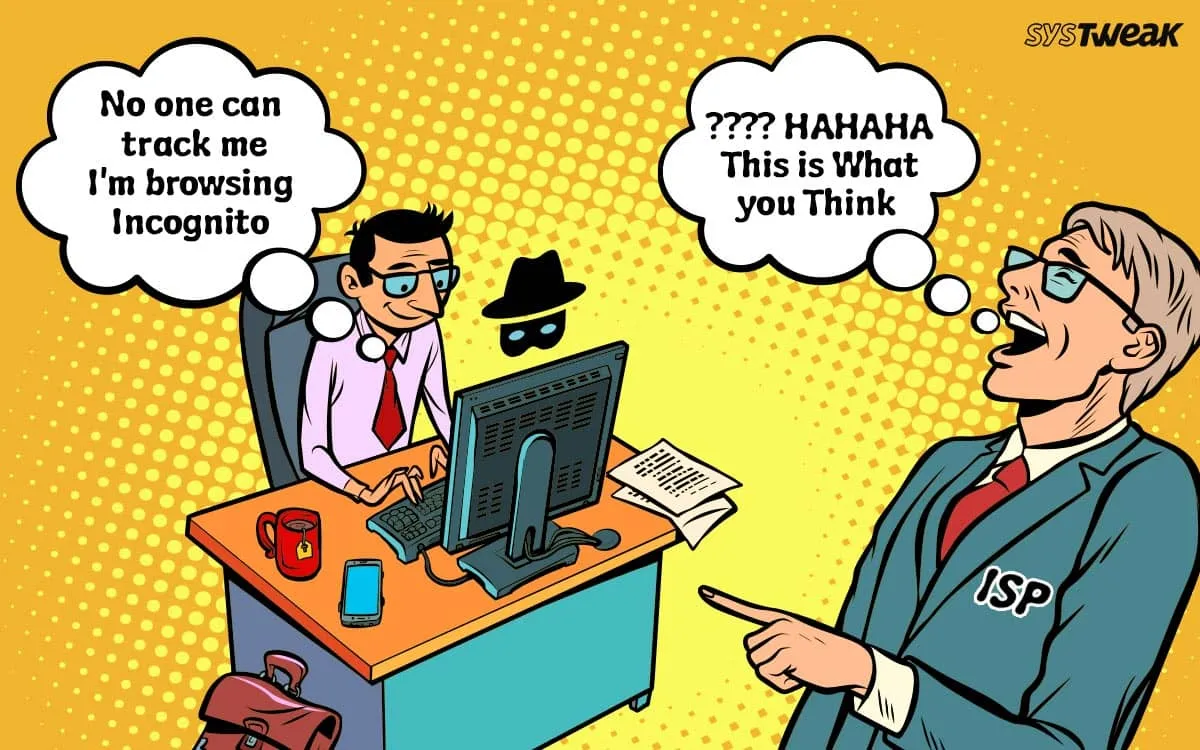
Your Internet Service Provider (ISP) sees more than you think. From the websites you visit to the apps you use, ISPs often log, analyze, and sometimes sell your browsing data, legally.
Protect Your Online Privacy in an Age of Constant Monitoring
Your Internet Service Provider (ISP) sees more than you think. From the websites you visit to the apps you use, ISPs often log, analyze, and sometimes sell your browsing data, legally. In some regions, this data may even be shared with third parties or government agencies.
As a cybersecurity company committed to digital privacy and security, we believe individuals and organizations have the right to take control of their online activity.
Here are five practical ways to secure yourself from ISP surveillance, plus how we can help protect your data at a deeper level.
1. Use a Trusted, No-Log VPN
A Virtual Private Network (VPN) encrypts your internet traffic and masks your IP address, making it difficult for your ISP to track what you’re doing online.
Choose a VPN provider with a zero-log policy
Avoid free VPNs. They often sell data themselves
Use servers outside your home country for more anonymity
We help businesses implement enterprise-grade VPN solutions that meet compliance and performance standards.
2. Browse with Encrypted DNS
By default, your device uses your ISP’s DNS servers to translate URLs into IP addresses, giving them visibility into every site you visit. Using DNS over HTTPS (DoH) or DNS over TLS (DoT) helps prevent that.
Set up encrypted DNS in your browser or router
Use privacy-first DNS providers (like Cloudflare’s 1.1.1.1 or NextDNS)
3. Use the Tor Network for Sensitive Activity
The Tor browser routes your connection through multiple encrypted nodes, making it nearly impossible for ISPs to trace your activity back to you.
Ideal for journalists, or privacy-conscious users
Keep in mind: Tor is slower and may trigger security flags at workplaces
4. Encrypt All Communication Channels
Use end-to-end encryption for messaging, emails, and file transfers. Even if your ISP knows you’re using a service like Signal or ProtonMail, they won’t be able to see your content.
Use secure email providers
Choose messaging apps with verified encryption (e.g., Signal, Threema)
5. Use a Hardened Router or Firewall
A firewall or secure router can be configured to route all traffic through a VPN, block known trackers, and minimize metadata leakage, without relying on each user to take action.
Filter traffic at the network level
Monitor for unauthorized connections or DNS leaks
Keep logs internal, or disable them completely
Our cybersecurity team helps clients configure and manage secure network infrastructure, even in high-risk environments.
Take Control of Your Privacy
ISP surveillance isn’t just a personal concern, it’s a business risk. From corporate espionage to regulatory compliance, understanding and minimizing digital exposure is now essential.
Alpha Cyber offers tailored solutions for:
Digital privacy hardening
Secure remote access infrastructure
Threat and exposure assessments
Privacy is no longer optional, it’s your responsibility. Let us help you secure it.
Schedule a consultation or request a privacy audit today.