
Singularity: The Next-Gen Linux Rootkit Threat That Could Shake Your System to Its Core
The cybersecurity landscape is evolving faster than ever, and a new, highly sophisticated threat has emerged that could outsmart even the most vigilant system administrators.

A New Era in Cybersecurity Threats
The cybersecurity landscape is evolving faster than ever, and a new, highly sophisticated threat has emerged that could outsmart even the most vigilant system administrators. This new menace, dubbed Singularity, is an advanced Linux rootkit that is causing alarm across the cybersecurity community. Its remarkable ability to evade detection and embed itself deep within the operating system has placed it at the forefront of a new wave of cyber threats.
What makes Singularity particularly dangerous is its ability to operate at the kernel level. This gives it total control over compromised systems, allowing it to remain completely hidden from traditional detection methods and conventional security tools.
A Deep Dive into Singularity: The Rootkit Revolution
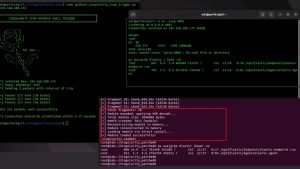
At its core, Singularity targets Linux 6.x systems and employs a highly sophisticated technique known as ftrace based syscall hooking. This allows it to intercept and manipulate system calls, without leaving obvious traces that might trigger security alerts. Unlike traditional malware that operates in user space, Singularity’s presence in the kernel space enables it to bypass conventional monitoring solutions and stay under the radar for an extended period.
This method of attack is insidious because it renders most traditional security solutions ineffective. Conventional monitoring tools that rely on kernel call auditing are easily bypassed by Singularity’s advanced syscall manipulation. This makes the rootkit especially difficult to detect and even harder to remove once it’s entrenched within a system.
In addition to its stealth capabilities, Singularity incorporates multilayered hiding strategies, including privilege escalation and log sanitization techniques. These features ensure that system administrators may remain unaware of its presence until substantial damage has already occurred.
Why Singularity Is a Game Changer
Singularity is not just another piece of malware it’s an expertly crafted tool that represents the next generation of kernel level rootkits. Here’s why it’s so dangerous:
Broad Compatibility: Singularity supports both x86_64 and ia32 architectures, making it compatible with a wide range of Linux systems, from servers to personal machines.
Advanced Evasion Techniques: It uses ftrace based syscall hooking to operate beneath the radar, bypassing traditional detection methods.
Persistence: The rootkit is designed to remain on the system indefinitely, with privilege escalation mechanisms enabling attackers to gain root access, even from low privileged accounts.
Log Sanitization: Singularity doesn’t just hide its activity; it removes any trace of its presence by sanitizing system logs, making forensic analysis incredibly difficult.
This advanced toolkit provides attackers with total control over a compromised system, often leaving no visible signs of intrusion.
The Singularity Threat: Why It Should Worry You
For enterprises, critical infrastructure, and anyone relying on Linux based systems, the rise of Singularity represents a major security threat. Unlike simpler forms of malware, rootkits that target the kernel are notoriously difficult to detect and eradicate. In many cases, completely removing such a rootkit requires either a full system reinstall or offline forensic analysis, both of which can lead to significant downtime and loss of data.
The rootkit is not a targeted attack, but rather a versatile tool that could be deployed across various environments affecting cloud providers, enterprise servers, and hosting platforms simultaneously. This means the threat has a wide reach, posing a risk to both small businesses and large organizations alike.
What This Means for Linux Security: The Need for Proactive Defense
Singularity should be a wakeup call for any organization relying on Linux 6.x systems. Traditional security tools, such as userspace antivirus programs, are insufficient for defending against kernel level threats. The emergence of Singularity makes it clear that organizations must adopt advanced defense strategies to stay ahead of such sophisticated attacks.
To mitigate threats like Singularity, proactive defense measures are essential. These include:
- Kernel Integrity Monitoring: Regular checks to ensure the kernel remains untampered.
Mandatory Access Controls: Restricting access to kernel level functions can limit the impact of a rootkit. - Continuous Auditing: Maintaining detailed logs, even when attackers attempt to sanitize them, can reveal subtle signs of a compromise.
- Behavior Based Monitoring: Shifting from traditional signature based detection to behavior based anomaly detection can help identify suspicious activities in the kernel space.
These measures go beyond traditional antivirus tools and are necessary for detecting and preventing threats like Singularity.
Singularity: A Glimpse into the Future of Cyberattacks
Singularity represents a new chapter in the evolution of Linux targeted threats. Traditional malware, which primarily relied on user space exploits, is now giving way to advanced kernel level attacks. Singularity’s creators have demonstrated a deep understanding of the Linux operating system, using legitimate system tools, like ftrace, for malicious purposes. This highlights an alarming trend where security tools designed to help administrators can be repurposed to facilitate advanced cyberattacks.
In response, security professionals need to adapt their strategies. They must evolve from relying solely on signaturebased defense to adopting comprehensive behavior analysis and anomaly detection systems that can identify suspicious activity within the kernel.
Moreover, Singularity’s broad architecture support (x86_64 and ia32) suggests that it’s built for longterm use and largescale deployment, making it a potential blueprint for future rootkit development. As attackers continue to develop more sophisticated and stealthy malware, organizations will need to invest more in continuous monitoring, incident response planning, and kernellevel security solutions.
Conclusion: A New Era of Cyber Defense
The rise of Singularity is a stark reminder that no system, not even Linux, is completely immune to attack. As the threat landscape continues to evolve, organizations must stay ahead of the curve by adopting advanced defense mechanisms and maintaining a security first culture.
At Under code, we understand the dangers posed by sophisticated threats like Singularity. That’s why we are dedicated to providing next gen security solutions tailored to your needs. Whether it’s improving your system’s defenses, educating your IT team, or responding to a potential compromise, we’re here to help you navigate the evolving world of cybersecurity.
What We Recommend for Protection:
1. Adopt Kernel Integrity Monitoring: Regular checks are key to detecting anomalies.
2. Limit Use of Debugging Tools: Tools like ftrace should be carefully controlled.
3. Behavioral Monitoring: Focus on detecting suspicious activity within the kernel.
4. Invest in Education: Help your team understand kernellevel security.
The fight against threats like Singularity requires constant vigilance and an evolving approach to security. Stay protected, stay ahead.
Fact Checker Results:
- Singularity targets Linux 6.x systems using ftrace based syscall hooking.
- Supports both x86_64 and ia32 architectures.
- Traditional antivirus is unlikely to detect Singularity due to its kernel level stealth.
Where We Heading
Singularity could set the stage for a new generation of kernel level rootkits, prompting a shift towards behavior based detection and kernel integrity solutions as the standard in Linux security.