The Big Brother You Didn’t Ask For: How Chinese Tech Spies from Within
We often talk about “the cloud” as if it’s some ethereal, neutral space. It isn’t.
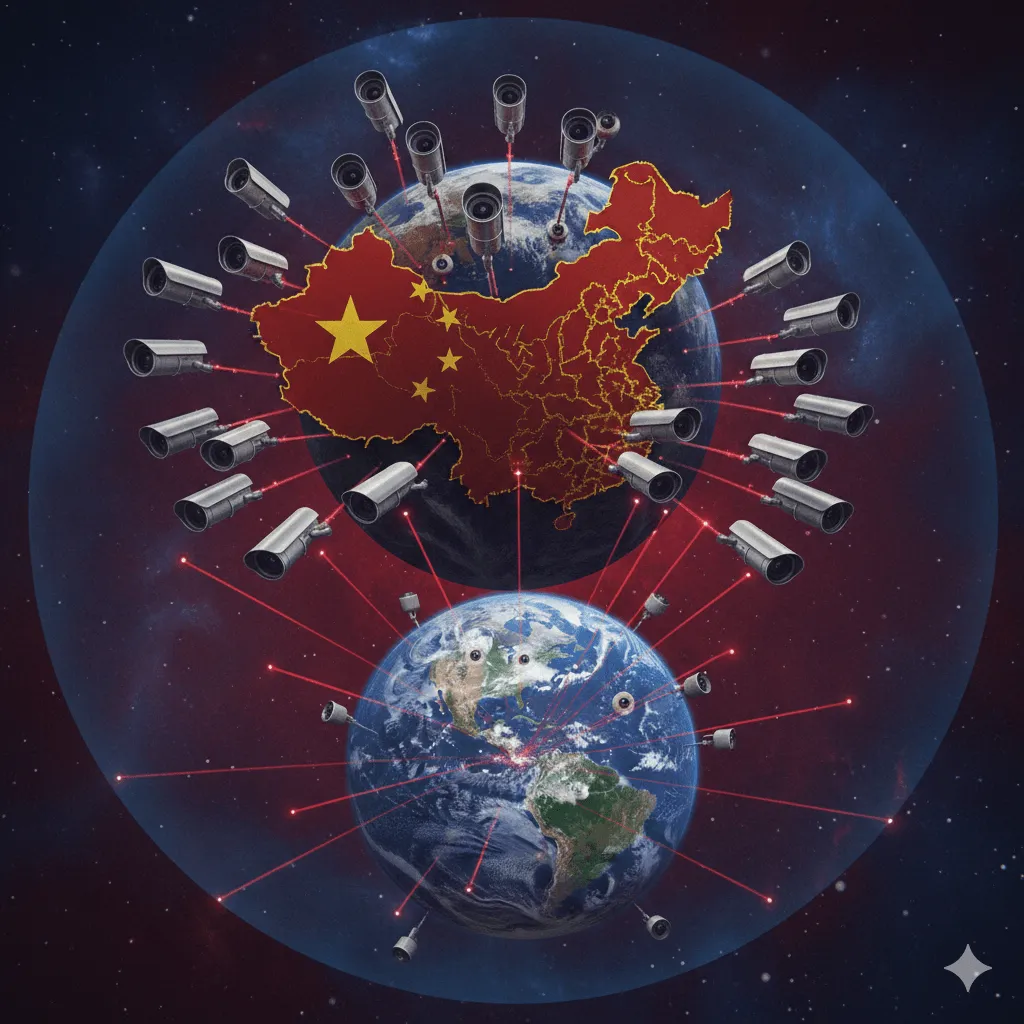
The Silicon Trojan: Why Chinese IoT is a Permanent Backdoor in Your Network.
We often talk about “the cloud” as if it’s some ethereal, neutral space. It isn’t. When you plug in a smart camera, a router, or even a high-end “smart” air fryer from a major Chinese brand, that data isn’t just going to a server it’s going to a jurisdiction.
At Alpha Cyber, we’ve spent the last year auditing small business and home-office networks. The most common vulnerability we find isn’t a weak password. It’s a piece of hardware that was designed, from the factory, to talk to servers in Shenzhen without ever asking for your permission.
The Law of the Land (Their Land)
The biggest risk isn’t just a “hacker” in the traditional sense. It’s the Chinese National Intelligence Law of 2017. Article 7 is very clear: Any organization or citizen shall support, assist, and cooperate with the state intelligence work.
In plain English? If a Chinese tech giant holds your data your floor plans, your voice recordings, your network traffic logs they are legally required to hand it over to the state if asked. There is no “warrant” or “court order” to fight. It’s just how the business is done.
It’s Not Just Spying It’s “Pre-Positioning”
If you think, “I’m not interesting enough to be spied on,” you’re missing the bigger picture. In cybersecurity, we call this “pre-positioning.”
A compromised TP-Link router or a Hikvision camera isn’t always looking for your bank login today. It’s becoming a “node” in a massive, latent botnet. These devices can be used to:
Map Internal Networks: Once a smart device is on your Wi-Fi, it can “see” your work laptop and your NAS drive.
Exfiltrate Metadata: Even if they don’t read your emails, they know who you talk to, when you’re home, and what other devices you own.
Lateral Movement: We’ve seen cases where a compromised doorbell was used as a jumping-off point to infect a corporate laptop connected to the same home Wi-Fi.
How to Clean Up Your “Smart” Mess
If you have a business to protect, you can’t afford to be “brand loyal” to cheap hardware. Security is a lifestyle, not a product.
Check the “Banned” List: If your office is using Dahua, Hikvision, or Huawei, you are already behind. These aren’t just banned for government use; they’re banned because they are demonstrably insecure.
VLAN Everything: Your smart TV and your work computer should never, ever be on the same “subnet.” If the TV gets popped, the attacker shouldn’t be able to even “see” your computer.
The “Kill Switch” Mentality: If a device requires a constant connection to a foreign cloud to function, ask yourself: Does a lightbulb really need to talk to a server 6,000 miles away just to turn on?
The Reality Check: You wouldn’t leave your front door wide open just because the doorframe was “on sale.” Don’t do the same with your digital perimeter.
Are you sitting on a hardware backdoor?
We don’t just run software scans; we look at the physical reality of your network. From supply chain audits to network segmentation, we make sure your “smart” office isn’t working against you.